
Sailing the Mediterranean: Protecting Posidonia and Sardinia’s Marine Protected Areas
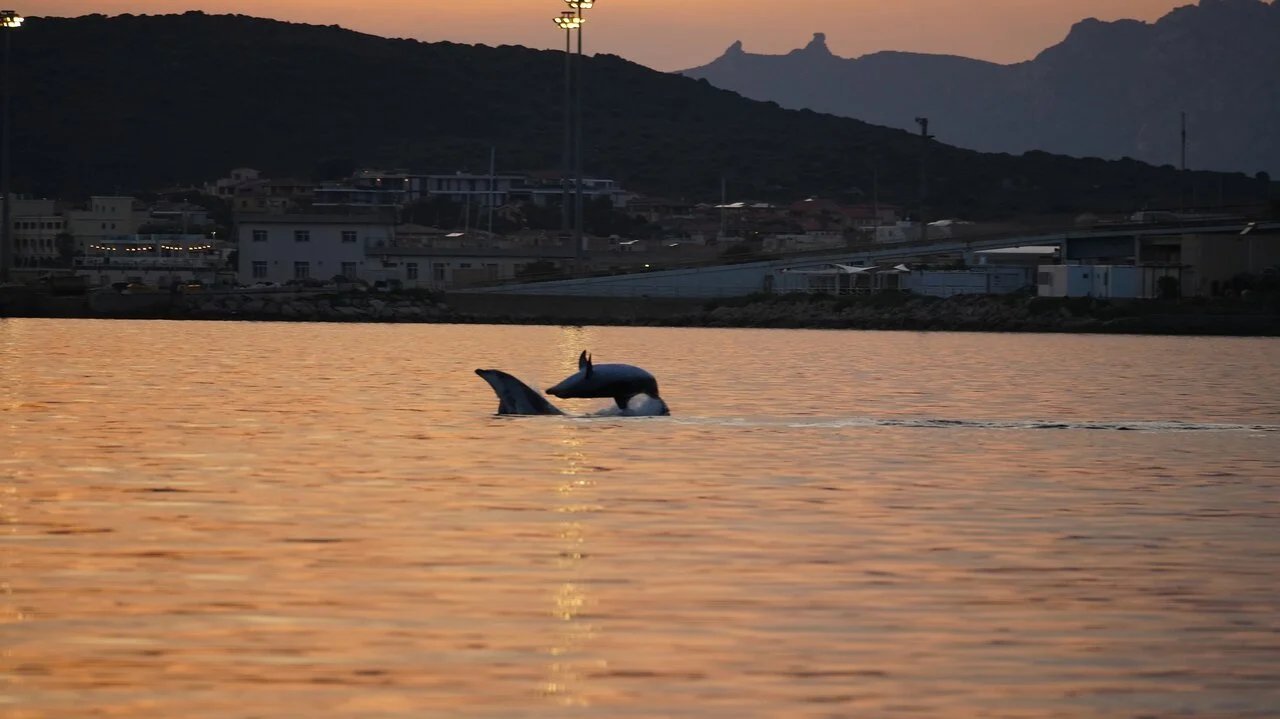
The Mediterranean Sea is more than a stunning sailing destination; it’s one of the planet’s most important life-support systems. Beneath its surface lie coral-rich reefs, Posidonia oceanica seagrass meadows, and countless species that keep the sea alive and thriving. These ecosystems give us oxygen, store carbon, and protect coastlines, all while supporting tourism, fishing, and yachting. Yet, as Sir David Attenborough so often reminds us in his documentaries, such beauty is fragile. Without care, the very waters we enjoy risk losing their balance.
France’s Leadership: Protecting Posidonia Meadows
Across the Mediterranean, countries are finding new ways to protect the sea while still welcoming those who sail, dive, and explore it. France has taken a leading role in safeguarding Posidonia oceanica, the seagrass meadows often called the “lungs of the Mediterranean.” These underwater prairies grow slowly but capture vast amounts of carbon, release oxygen, and provide shelter for countless species. They are, however, highly vulnerable to anchors tearing through their roots. To address this, France has mapped sensitive areas, banned anchoring in specific zones, and installed mooring buoys so yachts can visit without leaving scars on the seabed. It is a model of how regulation and recreation can work hand in hand.
Sardinia’s Network of Marine Protected Areas
Sardinia has gone even further, creating a rich mosaic of Marine Protected Areas (MPAs) that showcase the variety of Mediterranean ecosystems. In the northeast, the Tavolara–Punta Coda Cavallo reserve protects turquoise bays and thriving seagrass beds, while nearby La Maddalena Archipelago National Park balances intense tourism with strict anchoring rules and designated moorings. On the northwestern coast, the island of Asinara, once a prison, now a sanctuary, preserves some of the cleanest waters in the region, with heavy restrictions on fishing and anchoring.
The southern and western coasts hold their own jewels. Capo Carbonara, near Villasimius, is celebrated for its reefs and dive sites, where zoned protection limits fishing and boating in sensitive spots. Capo Caccia and Isola Piana, with their towering cliffs and nesting seabirds, regulate boat approaches and anchoring to reduce disturbance. On the west coast, the Sinis Peninsula and the island of Mal di Ventre combine sandy shores with rocky habitats, protected by rules that limit anchoring, fishing, and visitor access. Even smaller headlands like Capo Testa, Punta Falcone, and Capo Spartivento have designated zones that protect shallow seabeds and rocky outcrops from damage.
Extending beyond Sardinia itself, the vast Pelagos Sanctuary for Marine Mammals safeguards whales, dolphins, and other giants of the Mediterranean. By regulating shipping, noise, and certain fishing activities, it ensures that these creatures continue to thrive in one of the busiest seas in the world.
What ties all of these efforts together is a commitment to balance. Sardinia’s MPAs are not about keeping people out; they are about managing how we interact with the sea. Some zones welcome swimming, snorkeling, and diving; others strictly limit fishing or anchoring. The result is a visible rebound: marine life returning, seagrass recovering, and fish stocks spilling over into surrounding waters. These benefits ripple outward, stronger local fisheries, more sustainable tourism, and a healthier Mediterranean for everyone.
Yachting Responsibly: The Role of Star Yacht
The yachting community has a crucial role to play in protecting the Mediterranean. Companies like Star Yacht Group, based in Sardinia, are showing how the industry can combine luxury with responsibility. By guiding captains and crews through local regulations, encouraging the use of mooring buoys instead of anchors on Posidonia meadows, and promoting eco-friendly practices onboard, they help safeguard the very waters that make Mediterranean cruising so exceptional.
For yacht crews, compliance is more than just following the law, it is an investment in the future of sailing.
✅ Quick checklist for yacht crews in Sardinia & the Mediterranean
Check MPA maps before arrival, know which zones allow anchoring, fishing, or diving.
Use mooring buoys where provided; never drop anchor on Posidonia meadows.
Carry required permits for fishing, diving, or entering restricted zones.
Respect no-take areas ,no fishing, no collecting shells, no disturbing wildlife.
Manage waste responsibly, no discharge at sea; use marina facilities.
Keep safe distances from dolphins, whales, and seabirds.
Follow local signage and seasonal closures, regulations change by zone and time of year.